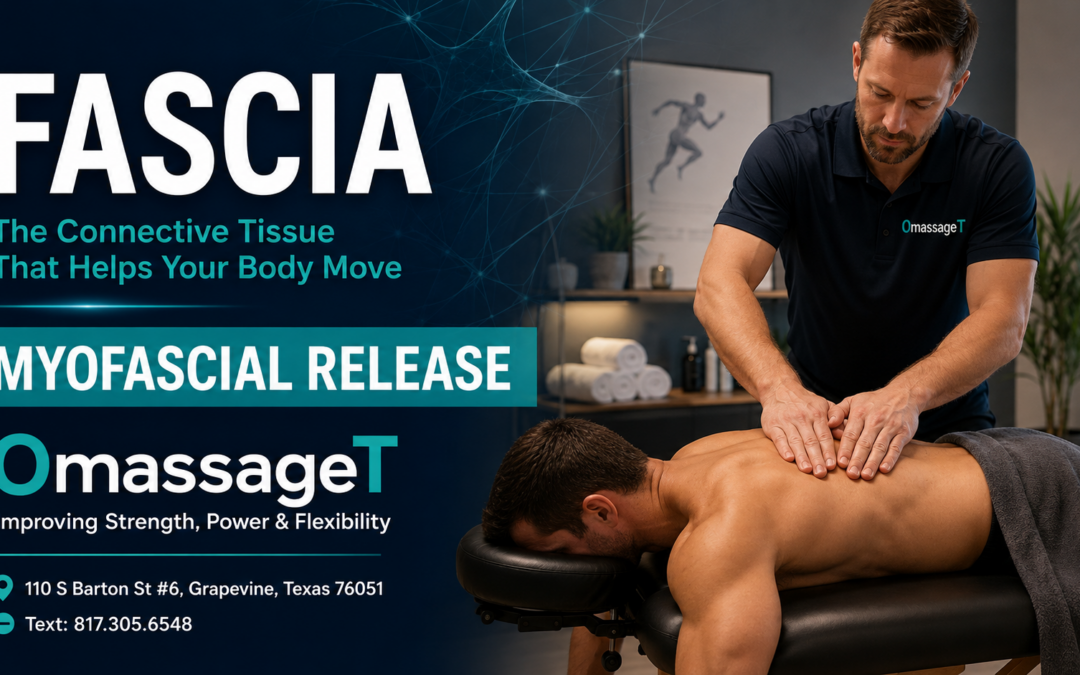
Why Reassessment Matters During an Orthopedic Massage Therapy Session
Why Reassessment Matters During an Orthopedic Massage Therapy Session
Orthopedic massage therapy should not feel like the same routine repeated at every appointment. Your body can change from one day to the next—and it may also change during the session itself.
Pain, muscle tension, joint movement, balance, breathing, stress, sleep, physical activity, previous injuries, and recovery can all influence how your body feels and moves. That is why assessment and reassessment are important parts of individualized orthopedic massage therapy.
At Orthopedic Massage Therapy in Grapevine, Texas, treatment is not simply about finding the painful area and applying pressure. The goal is to understand what may be contributing to the discomfort, treat the body according to its current needs, and then reassess to determine how it has responded.
Your Body Is Constantly Changing
A person may arrive with lower-back pain, hip tightness, shoulder discomfort, or limited neck movement. However, the location of the pain does not always reveal the full picture.
The body functions as a connected system. A restriction in one area can affect how another area moves or manages pressure. The hips and pelvis may influence the lumbar spine. The core and diaphragm can affect the lower and upper thoracic areas. The feet and ankles may change how force travels through the knees and hips.
This does not mean that every painful area is caused by another part of the body. It means that a thorough session should consider more than the symptom alone.
Musculoskeletal best-practice recommendations emphasize person-centered care, physical examination, monitoring progress, and adjusting care according to the individual. Manual therapy is generally considered one possible part of a broader approach rather than a universal solution for every condition.
What Happens During the Initial Assessment?
Before treatment begins, it is helpful to discuss what brought you into the office. This conversation may include:
-
Where you feel pain, tension, or restriction
-
When the problem began
-
Previous injuries or surgeries
-
Activities that make the discomfort better or worse
-
Changes in exercise, work, sleep, or daily routines
-
Movements that feel limited or uncomfortable
-
Your goals for treatment
Posture and movement may also be observed. Depending on the reason for your visit, you may be asked to turn your head, raise an arm, rotate your torso, bend, walk, squat, or perform another simple movement.
The purpose is not to judge how you move. It is to establish a starting point.
That starting point gives us something meaningful to compare after treatment. Without it, a client may know that the session felt good but may not recognize specific improvements in movement, balance, comfort, or coordination.
Treatment Should Respond to What the Assessment Reveals
Two people can report pain in the same location and still require very different approaches.
One client’s lower-back discomfort may be connected to prolonged sitting and limited hip movement. Another may have developed compensation after an old ankle, knee, quadriceps, or hip injury. A third person may be recovering from surgery and moving differently to protect a healing area.
Even when two clients have similar symptoms, their medical histories, daily activities, stress levels, movement patterns, and treatment goals may be completely different.
Individualized orthopedic massage may include work involving the muscles, fascia, breathing mechanics, positioning, and movement. Pressure, pace, treatment position, and the amount of time spent in each area should be adjusted according to the person’s comfort and response.
The client may be positioned face down, face up, seated, or side lying. Support cushions can be used under or around the body to improve comfort and help the client feel secure and covered. Athletic shorts and a tank top make it easier to move safely between positions while maintaining comfortable coverage.
Why Reassess During the Session?
Reassessment means checking the original movement or concern again after working with a particular area.
For example, a client may begin the session with limited neck rotation. After treating the upper back, shoulder, rib cage, diaphragm, or another relevant area, the client may be asked to turn the head again.
The therapist can then compare the movement with the original assessment:
-
Did the range of motion improve?
-
Does the movement feel easier?
-
Has the location or intensity of discomfort changed?
-
Does one side feel more balanced with the other?
-
Did the treatment create an unexpected restriction elsewhere?
-
Does the treatment plan need to change?
Reassessment helps guide the next decision. If a technique produces a useful change, treatment may continue in that direction. If the movement remains unchanged same, another contributing area may need to be evaluated. If the client becomes uncomfortable, the pressure, position, or technique should be modified.
This is an important difference between following a preset routine and providing responsive care.
Reassessment Is About More Than Flexibility
Progress is not always measured by how far someone can stretch.
A client may notice that a movement feels smoother or requires less effort. The body may feel more stable when standing or walking. Breathing may feel less restricted. The shoulders may rest more naturally, or the pelvis may feel more balanced.
Some clients describe feeling taller, lighter, more open, or as though they are floating after a session. They have not physically become taller. Instead, reduced tension and improved positioning may allow them to stand closer to their natural height with less effort.
Other helpful changes may include:
-
Improved comfort during movement
-
Greater awareness of posture or compensation
-
Better balance and stability
-
Less guarding around a sensitive area
-
Easier rotation through the hips or torso
-
A more relaxed resting position
-
Increased confidence in movement
These changes should be considered alongside the client’s own experience. What the client feels and reports is an important part of reassessment.
Communication Is Part of Reassessment
An orthopedic massage session should be collaborative.
You should feel comfortable communicating when a position is uncomfortable, when pressure is too strong, or when a movement produces pain. You can also report positive changes, such as a movement feeling easier or an area feeling less guarded.
More pressure is not automatically better. The most intense technique is not necessarily the most effective one. Treatment should be appropriate for your body and adjusted according to your comfort, history, and response.
This is especially important for people recovering from orthopedic surgery, managing chronic pain, returning to sports, or adapting after a significant injury. Massage may be used as supportive care, but it should not replace appropriate medical evaluation or rehabilitation. Research suggests massage may provide short-term benefits for some musculoskeletal conditions, but evidence varies by condition and is not equally strong for every use.
Reassessment Between Appointments
Reassessment also continues from one appointment to the next.
You may be asked what changed after the previous session:
-
How did you feel later that day?
-
Did you notice changes in sleep or movement?
-
Did the improvement last?
-
Did your original symptoms return?
-
Were you able to perform an activity more comfortably?
-
Did a different area begin to feel restricted?
-
Have you exercised, traveled, fallen, or experienced another change?
Your answers help determine whether the next session should continue the previous approach or take a different direction.
A treatment plan should remain flexible. The body that arrives today may not have the same needs as the body that arrived two weeks ago.
Knowing When Massage Is Not the Next Step
Assessment also helps determine when massage may not be appropriate.
New or unexplained severe pain, significant weakness, loss of sensation, fever, suspected fracture, signs of infection, changes in bowel or bladder control, chest pain, difficulty breathing, or other concerning symptoms require medical evaluation.
Massage therapy should not be used to delay necessary medical care. Appropriate precautions matter, and massage is not risk-free for every person or condition.
When necessary, clients may be encouraged to consult a physician, physical therapist, or another qualified healthcare professional.
Individualized Care Requires Curiosity
Effective treatment begins with listening.
Where do you hurt? How do you move? What has your body experienced? What activities matter to you? How did your body respond to the work we just performed?
Assessment provides direction. Treatment creates an opportunity for change. Reassessment helps us understand that change and decide what to do next.
This continual process is why orthopedic massage therapy is not a one-size-fits-all treatment. Each session is shaped by your history, your movement, your comfort, your goals, and your body’s response.
Orthopedic Massage Therapy in Grapevine, Texas
If pain, tightness, or limited movement is interfering with your daily activities, exercise, sport, or recovery, an individualized orthopedic massage session may help you better understand how your body is moving.
At Orthopedic Massage Therapy, the focus is on Improving Strength, Power, and flexibility through thoughtful assessment, comfortable positioning, individualized treatment, and reassessment.
Orthopedic Massage Therapy
110 S Barton #6
Grapevine, Texas 76051
Text: 817-305-6548
Website: OmassageT.com
This article is for general educational purposes and is not a diagnosis or a substitute for medical care.