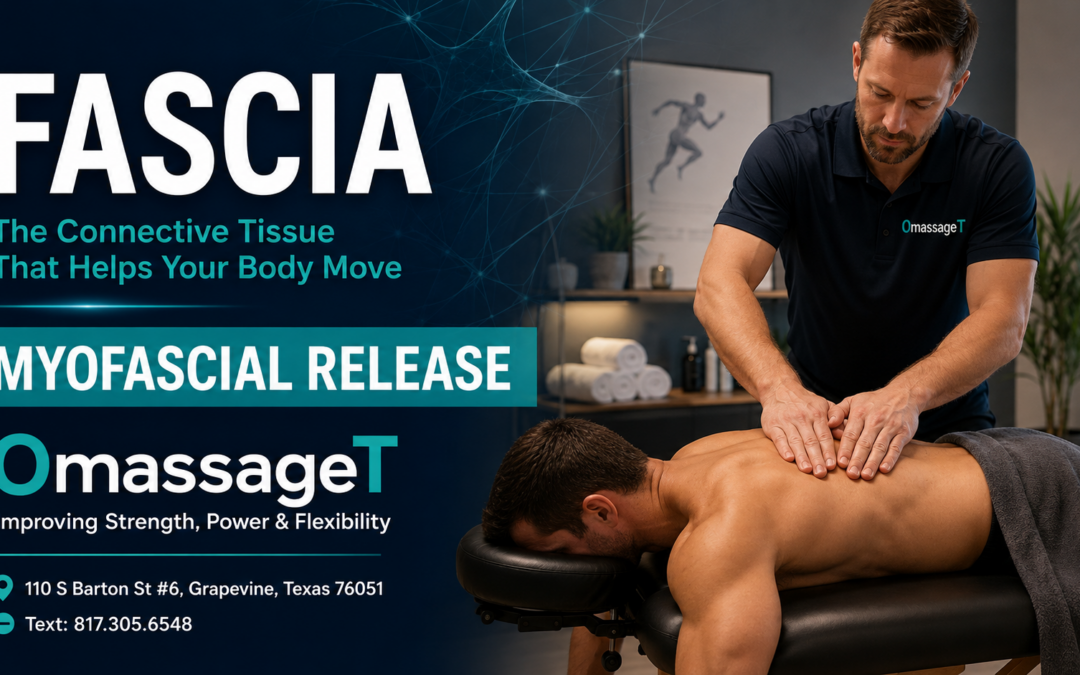
How Orthopedic Massage Therapy Builds Continued Improvement From One Session to the Next
Orthopedic massage therapy is not always about making one large change during a single appointment. In many cases, the greatest progress develops through continued improvements that build from one session to the next.
The body may gradually move with greater ease. Balance and stability may improve. A painful area may become less sensitive, while another restriction becomes easier to recognize. Activities that once felt difficult may begin to feel more natural.
Each session providesbots different information about the body. Through assessment, treatment, communication, and reassessment, the treatment plan can continue to develop as the client improves.
At Orthopedic Massage Therapy in Grapevine, Texas, the goal is not to repeat the same massage routine at every appointment. The goal is to build on the progress already made and help the body continue moving toward greater strength, power, and flexibility.
Improvement Is a Process
Some clients notice an immediate difference following their first session. They may experience easier movement, less tension, greater relaxation, or a feeling of being more open and balanced.
For other clients, improvement happens more gradually.
A person who has experienced pain for months or years may have developed multiple compensation patterns. The body may have adjusted to an old injury, surgery, repetitive activity, poor positioning, or limited movement. Addressing one part of that pattern may help, but continued sessions may be needed to understand how the entire body is working together.
Musculoskeletal pain can also fluctuate over time. A better day may be followed by a more difficult one, especially after changes in activity, stress, fatigue, or sleep. Research confirms that chronic musculoskeletal pain can vary from day to day.
Because of this variability, progress should not be measured by one moment alone.
Each Session Begins With What Has Changed
A follow-up appointment should begin with a conversation about what happened after the previous session.
Important questions may include:
-
Did the original pain or tension change?
-
Did movement feel easier?
-
How long did the improvement last?
-
Were you able to perform an activity more comfortably?
-
Did your balance or stability feel different?
-
Did another area become more noticeable?
-
How did you sleep?
-
Did you exercise, travel, work long hours, or experience new stress?
-
Was there any new injury or unusual symptom?
These answers help determine the next step.
If hip movement improved but lower-back tension remains, the next session may examine how the pelvis, core, diaphragm, or lower thoracic area is contributing. If shoulder movement improved but neck rotation remains limited, treatment may shift toward another part of the connected pattern.
This is not starting over. It is continuing forward with new information.
One Improvement Can Reveal the Next Area
The body often compensates to keep us moving.
After an ankle injury, a person may place more weight on the opposite leg. An old quadriceps or hip injury may change how the pelvis moves. Limited movement through the thoracic spine may increase the demand placed on the neck and shoulders.
These compensations can become familiar enough that the person no longer notices them. The body has adapted, but that adaptation may affect comfort, balance, stability, and performance.
As the most restricted or painful area begins to improve, another part of the pattern may become easier to identify.
For example, someone may initially be focused entirely on lower-back pain. After the lumbar area feels better, the client may notice that one hip does not rotate as freely as the other. Improving hip motion may then reveal limited movement through the rib cage or thoracic spine.
Each change helps guide the next session.
Continued Improvement Does Not Mean Repeating the Same Treatment
If one technique helped during the first appointment, it may be tempting to repeat it exactly during every future session. However, the body may no longer need the same amount of attention in that area.
Continued improvement requires reassessment.
The treatment may change in several ways:
-
A different area may receive more attention.
-
Pressure may become lighter or more focused.
-
The client may be placed in a different position.
-
Additional body supports may be used.
-
More movement may be incorporated.
-
Less time may be needed in an area that has improved.
-
The session may focus more on balance, stability, or performance.
The purpose of changing the treatment is not to abandon what previously worked. It is to respond to the improvements that have already occurred.
Small Changes Can Be Meaningful
Progress is not always dramatic. Small improvements can have an important effect on daily life.
A client may be able to turn the head more comfortably while driving. Reaching overhead may feel easier. Walking may feel more balanced. Sitting at work may be more comfortable. An athlete may feel more stable during training or recover more easily after activity.
Other clients describe feeling taller, lighter, open, relaxed, or as if they are floating after treatment. They have not physically become taller. Instead, reduced guarding and improved positioning may allow them to stand closer to their natural height.
Signs of continued improvement may include:
-
Easier or smoother movement
-
Greater range of motion
-
Improved balance and stability
-
Less guarding around a painful area
-
Better awareness of posture and compensation
-
More confidence during activity
-
Reduced frequency or intensity of discomfort
-
Faster recovery after exercise
-
Improved ability to relax
-
Greater comfort while sitting, standing, or sleeping
Pain level is important, but it is not the only way to measure progress. Changes in movement and function can provide valuable information about how the body is responding.
Reassessment Helps Direct the Process
During a session, a movement may be checked before and after treating a specific area.
A client might be asked to:
-
Turn the head
-
Raise an arm
-
Rotate the torso
-
Bend forward
-
Move a hip
-
Stand or walk
-
Perform a familiar movement related to the complaint
After treatment, the movement can be checked again.
Did it become easier? Did the range change? Did the discomfort decrease or move? Does the person feel more balanced or stable?
A review of conservative care for musculoskeletal symptoms supports using a patient’s progress after treatment to help guide ongoing clinical decisions. It found that changes in active movement may provide useful information about treatment response.
Reassessment helps prevent the session from becoming a preset routine. It allows treatment to remain specific to the person’s current needs.
Comfortable Positioning Supports Progress
The way a person is positioned during treatment can affect comfort and the body’s ability to relax.
Depending on the client’s needs, treatment may be performed face down, face up, side lying, seated, or in another supported position. I use a body-support system on my Stronglite Premier portable massage table to support the head, chest, pelvis, and legs.
The supports can be adjusted as the body changes.
A person recovering from orthopedic surgery may initially require additional support and limited positioning. As healing continues, other positions may become comfortable and appropriate. Someone with hip or lower-back pain may benefit from side-lying positioning during one session and a different setup during another.
Clients wear athletic shorts and a tank top so they remain comfortable and covered while moving between positions.
Comfort is not separate from treatment. It is an important part of helping the body feel supported.
Progress Is Not Always a Straight Line
Recovery and improvement rarely follow a perfectly straight path.
A client may feel better for several days and then experience increased tightness after exercising, traveling, sleeping poorly, or performing an unfamiliar activity. This does not automatically mean that all previous improvement has been lost.
It is helpful to consider the larger pattern:
-
Are difficult days becoming less frequent?
-
Does discomfort resolve more quickly?
-
Are more activities possible?
-
Is movement becoming easier?
-
Is the person recovering more effectively?
-
Has confidence increased?
-
Are balance and stability continuing to improve?
A temporary increase in soreness or restriction can provide useful information for the next session. It may reveal how the body responds to a specific activity or where additional support is needed.
However, new, severe, or unexplained symptoms should not simply be treated as a normal part of progress. Significant weakness, loss of sensation, fever, suspected fracture, changes in bowel or bladder function, chest pain, or difficulty breathing require appropriate medical evaluation.
The Client Is Part of the Treatment Team
Continued improvement depends on communication.
The client should feel comfortable describing what changed, what did not change, and what felt different after the previous session. It is also important to communicate when pressure is too intense or when a treatment position is uncomfortable.
More pressure does not automatically create more progress. Treatment should be appropriate for the person’s comfort, health history, and goals.
Massage therapy may be one supportive part of a broader plan involving medical care, physical therapy, exercise, strength training, mobility work, rest, and healthy daily habits. Evidence regarding massage varies between conditions, and benefits may be short term for some musculoskeletal problems.
An individualized plan recognizes both the potential value and the limitations of massage therapy.
Building Strength, Power, and Flexibility Over Time
The purpose of continued orthopedic massage therapy is not to make the client dependent on treatment. It is to help the person better understand the body, recognize compensation patterns, move more comfortably, and support progress toward meaningful goals.
For one client, success may mean walking without feeling guarded. For another, it may mean returning to the gym, running, playing a sport, or recovering from orthopedic surgery. Someone else may simply want to sit, stand, sleep, or work with greater comfort.
Each session becomes another step in the process:
Assess what has changed.
Treat what the body needs today.
Reassess the response.
Build on the improvement.
Over time, these continued improvements may help create better movement, balance, stability, Strength, Power, Flexibility, and confidence.
Orthopedic Massage Therapy in Grapevine, Texas
At Orthopedic Massage Therapy, every session is shaped by your history, movement, comfort, goals, and response to treatment.
The plan may change because your body is changing—and those changes can be an important sign of continued improvement.
Orthopedic Massage Therapy
110 S Barton #6
Grapevine, Texas 76051
Text: 817-305-6548
Website: OmassageT.com
This article is for general educational purposes and is not a diagnosis or substitute for medical care.