Orthopedic Massage for Teenage Runners: A Young Athlete’s Experience With Soreness, Recovery, and Rest
Cross-country athletes train over long distances and changing terrain. Track athletes may combine sprinting, distance running, jumping, strength training, and repeated drills. Practices, competitions, schoolwork, travel, and limited recovery time can all influence how a teenage athlete feels and performs.
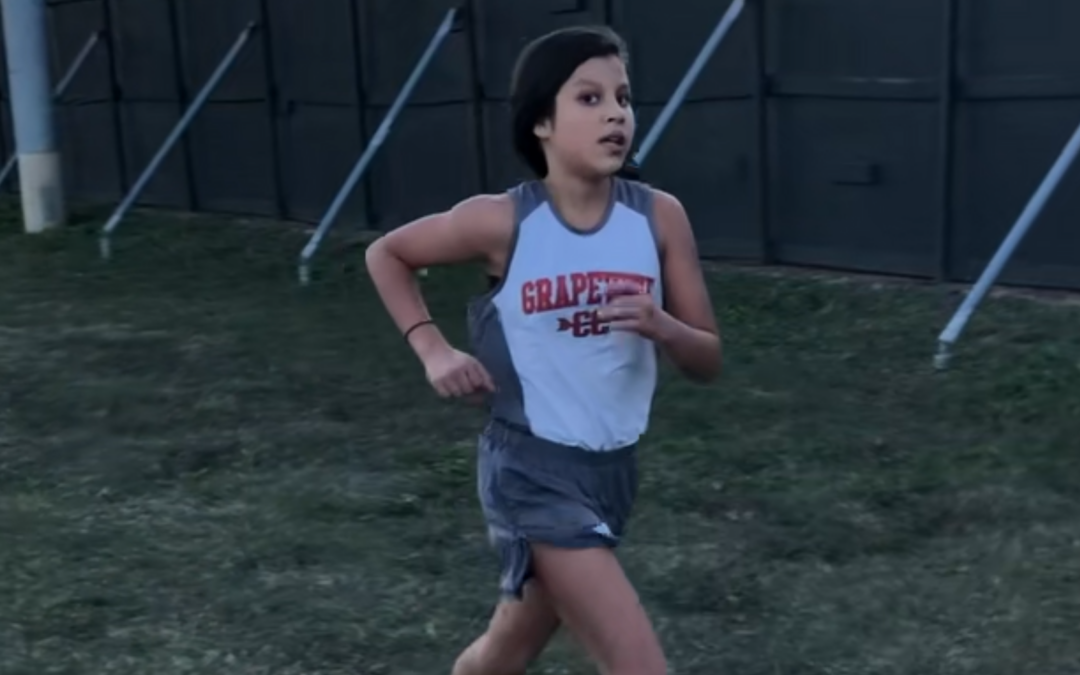
This subject is especially personal to me because my daughter was a teenage cross-country and track athlete. I had the opportunity to help her when running and training left her feeling sore.
She later shared a public review describing her experience:
“I run cross country and track and I get sore sometimes, and it’s nice to take a nap and wake up feeling better!”
She gave the experience a 10 out of 10 and specifically identified communication, quality, and professionalism as positives.
Her review captures something important about my approach: orthopedic massage therapy for a young athlete does not have to hurt. The athlete should feel safe, supported, and comfortable enough to relax—even comfortable enough to fall asleep.
Young Runners Need Recovery
Running is a repetitive activity. During every stride, the feet, ankles, knees, hips, pelvis, core, and upper body work together to absorb and transfer force.
A young runner may perform thousands of strides during one practice. Cross-country adds hills, uneven ground, changing weather, and longer distances. Track training may include faster speeds, repetitive turns, interval work, starts, jumping events, and strength exercises.
Training helps the body adapt, but adaptation requires recovery.
The American Academy of Pediatrics explains that overuse injuries can develop when repetitive stress affects bone, muscle, or tendon without sufficient recovery.
This does not mean running is unsafe for young people. It means that training load, rest, sleep, nutrition, development, and early symptoms all deserve attention.
Soreness Is Information
Young athletes often accept soreness as a normal part of training. Some temporary muscle soreness may occur after a new or demanding workout. However, recurring, worsening, or activity-limiting discomfort should not automatically be ignored.
A parent or young athlete may notice:
- Tight calves
- Sore feet or ankles
- Hamstring tension
- Hip tightness
- Lower-back discomfort
- Uneven movement
- One-sided soreness
- Reduced stride length
- Difficulty recovering between practices
- Changes in speed or endurance
- Pain that begins earlier during each run
- Discomfort that remains at rest
These observations provide information.
Massage therapists do not diagnose sports injuries. When pain is significant, persistent, worsening, associated with swelling, or interfering with running, the athlete may need evaluation by a pediatrician, sports-medicine physician, physical therapist, or athletic trainer.
A Runner Is More Than a Pair of Legs
Running involves the entire body.
The feet contact the ground, but movement continues through the ankles, knees, hips, pelvis, spine, shoulders, and arms. The diaphragm and core also contribute to breathing, trunk control, and the transfer of force.
A restriction or previous injury in one region may influence how another region manages the demands of running.
For example:
- Limited ankle movement may affect the knee and hip.
- Calf tension may change how the foot accepts force.
- An old quadriceps injury may influence the pelvis.
- Limited hip movement may increase demand on the lower back.
- Pelvic or core imbalance may affect upper-body rotation.
- Thoracic restriction may change arm swing and breathing mechanics.
These are possible movement relationships to observe, not diagnoses.
Each young runner has a different body, training history, and reason for seeking care. That is why treatment should be individualized.
Pain-Free Treatment Makes Relaxation Possible
My daughter’s review mentions taking a nap and waking up feeling better. That short statement reflects a central part of my approach.
Treatment did not require her to brace against painful pressure. She felt comfortable enough to relax and sleep.
When massage becomes painful, a young athlete may:
- Hold the breath
- Tighten the abdomen
- Raise the shoulders
- Clench the jaw
- Stiffen the legs
- Pull away
- Become anxious about the next technique
This guarding makes relaxation more difficult.
Pain-free orthopedic massage can still be specific and focused. The pressure, positioning, and technique can be adapted to the athlete without turning the session into a test of toughness.
Young runners already work hard during practice. They do not need to prove their strength by enduring painful massage.
Communication Is Essential With Teenage Athletes
My daughter identified communication as one of the most positive parts of her experience.
Young athletes need to know that their voices matter.
Before treatment, I explain what I plan to do, why I am evaluating a movement, how the athlete will be positioned, and where I may place my hands.
During treatment, I ask whether the pressure and position feel comfortable.
The teenager may say:
- “That area feels sore.”
- “I feel pressure, but it does not hurt.”
- “That is too much.”
- “My hip feels tight when I move this way.”
- “I need another support.”
- “My leg feels different from the other side.”
- “That movement feels easier now.”
- “I want to stop.”
Every answer is useful.
A young athlete should never feel that a parent, coach, or therapist expects silence. Honest communication helps guide safer and more respectful care.
Quality Means Treating the Individual
My daughter also identified quality as an important part of her experience.
Quality treatment does not mean performing the same routine on every runner. It means paying attention to the individual.
A session may begin by observing how the athlete:
- Stands
- Walks
- Balances
- Moves the ankles
- Bends the knees
- Rotates the hips
- Moves the pelvis and spine
- Raises the arms
- Breathes
After treating an area, movement may be checked again.
Did the ankle move more easily? Does the athlete feel more balanced? Is hip rotation different? Does standing require less effort? Has the location of tension changed?
Reassessment helps determine what to do next. It also helps avoid repeatedly treating an area simply because it is commonly tight in runners.
Professionalism Is Especially Important With Minors
Professionalism was the third quality highlighted in my daughter’s review.
Working with anyone under 18 requires clear policies and boundaries.
At Orthopedic Massage Therapy:
- Every client under 18 must have a signed parent or guardian release.
- Every client under 18 must be accompanied by a parent or guardian throughout the appointment.
- The young person must also feel comfortable and agree to participate.
- Treatment is explained clearly.
- Pressure remains pain-free.
- The client stays appropriately dressed and covered.
- The session can be paused or stopped at any time.
Texas regulations require written parent or guardian consent before massage therapy is provided to a person under 17. My practice extends a clear release-and-accompaniment policy to every client under 18.
These protections help the young client, parent, and therapist understand exactly what to expect.
Comfortable Clothing and Positioning
Teenage athletes wear athletic shorts and a tank top during their sessions.
This allows the athlete to remain comfortable and covered while moving between treatment positions. It also helps me observe movement without unnecessary exposure.
I use a body-support system on my Stronglite Premier portable massage table. Supports can be placed around the head, chest, pelvis, and legs according to the athlete’s needs.
The runner may be positioned:
- Face down
- Face up
- Side lying
- Seated
- Partially elevated
- In another supported position
The athlete should not have to tolerate discomfort simply because a particular position is commonly used for massage.
Comfortable positioning is part of professional care.
Rest Is Not a Lack of Commitment
Young runners can be highly motivated. They may worry that taking time to recover will make them slower or cause them to lose fitness.
However, recovery supports training.
An overloaded athlete may experience persistent soreness, fatigue, reduced enthusiasm, difficulty sleeping, declining performance, or recurring pain. The AAP emphasizes that excessive training without adequate recovery can contribute to overuse injury, overtraining, impaired well-being, and burnout.
Recovery may include:
- Adequate sleep
- Balanced nutrition
- Hydration
- Rest days
- Gradual training progression
- Appropriate medical care
- Physical therapy when needed
- Mobility and strength work
- Comfortable orthopedic massage therapy
Massage does not replace the other parts of recovery. It may complement them.
Waking Up Feeling Better
My daughter’s description is simple and genuine: she could take a nap during a session and wake up feeling better.
“Feeling better” can mean different things to different athletes. It may involve:
- Feeling more relaxed
- Experiencing less muscle guarding
- Moving with greater ease
- Feeling lighter or more balanced
- Recovering from routine soreness
- Becoming more aware of the body
- Feeling mentally rested
This was her individual experience, not a guarantee that every young athlete will respond in the same way.
The value of the review is not that it promises a result. It shows that a teenage athlete felt comfortable, listened to, and professionally cared for.
The Themes My Clients Repeatedly Mention
When I reviewed the public feedback about Orthopedic Massage Therapy, several themes appeared repeatedly.
Clients describe:
- Professional communication
- A thoughtful and intentional approach
- Gentle or subtle work
- Feeling balanced, lighter, or more open
- Relief and easier movement
- Learning more about how the body connects
- Feeling that their individual needs were taken seriously
The public review page currently reflects a 5.0 rating across more than 140 reviews, with recent clients continuing to highlight communication, professionalism, and individualized attention.
My daughter’s experience fits those same themes from the perspective of a young runner.
Knowing When Massage Is Not Enough
I am a licensed massage therapist, not a doctor. I do not diagnose injuries or clear athletes to return to competition.
A teenage runner should receive appropriate medical evaluation when there is:
- Severe or worsening pain
- Significant swelling
- Redness or warmth
- Inability to bear weight
- A suspected fracture
- Pain following a fall or collision
- New numbness or weakness
- Pain that repeatedly limits running
- Persistent pain at rest
- Possible concussion symptoms
Massage should not delay medical care.
I respect the roles of pediatricians, orthopedic doctors, physical therapists, chiropractors, athletic trainers, coaches, and other professionals involved in a young athlete’s recovery.
Orthopedic Massage for Teenage Runners in Grapevine, Texas
My daughter’s review means a great deal to me because it describes the experience I want every young athlete to have: comfortable treatment, clear communication, professional care, and an opportunity to relax.
Teenage runners work hard. Recovery should not feel like another painful workout.
At Orthopedic Massage Therapy, every client under 18 must have a signed parent or guardian release and be accompanied by a parent or guardian throughout the appointment.
Treatment remains pain-free, age-appropriate, respectful, and guided by the athlete’s comfort and goals.
Orthopedic Massage Therapy
110 S Barton #6
Grapevine, Texas 76051
Text: 817-305-6548
Website: OmassageT.com
This article describes one individual’s experience and provides general educational information. Results vary. Orthopedic massage therapy does not diagnose sports injuries and is not a substitute for pediatric, sports-medicine, or rehabilitation care.