Pain-Free Orthopedic Massage: Why Comfortable Treatment Makes It Easier to Relax
Many people believe that orthopedic massage or deep-tissue work must hurt to be effective. They expect intense pressure, painful techniques, or soreness that lasts for several days.
That is not how I work.
My approach to orthopedic massage therapy is designed to remain comfortable and pain-free. When clients do not have to brace against painful pressure, it becomes easier for them to relax, breathe, communicate, and allow their bodies to respond to treatment.
The goal is not to prove how much pressure a person can tolerate. The goal is to improve movement, balance, stability, strength, power, flexibility, and overall comfort.
At Orthopedic Massage Therapy in Grapevine, Texas, treatment is individualized to the client. Pressure, positioning, pace, and technique are continually adjusted so the work remains productive without becoming painful.
Orthopedic Massage Does Not Have to Hurt
The phrase “no pain, no gain” may be familiar in exercise, but it should not determine how massage therapy is performed.
Pain is not proof that a muscle is releasing. It does not automatically mean that deeper tissue is being reached, and it does not guarantee a better result.
Some massage techniques use moderate or firm pressure, but pressure should remain appropriate for the person receiving treatment. One client may find a particular pressure comfortable, while another may experience the same amount of pressure as painful.
Medical history, previous injuries, surgery, inflammation, stress, sleep, fatigue, and pain sensitivity can all affect how pressure feels on a particular day.
Treatment should respond to those differences.
Pain Can Make the Body Guard
When someone expects a technique to hurt, the body may begin to prepare before pressure is even applied.
The client may:
-
Hold the breath
-
Tighten the abdomen
-
Raise the shoulders
-
Clench the jaw
-
Grip the hands
-
Tighten the hips or legs
-
Pull away from the therapist
-
Become anxious about the next technique
This protective response is often called guarding. Guarding is the body’s attempt to protect an area that feels threatened, injured, or vulnerable.
When treatment causes a person to brace, the session can become a struggle between the therapist’s pressure and the client’s protective response. That makes relaxation more difficult and may interfere with comfortable movement.
Pain-free work gives the client a better opportunity to remain calm and communicate openly.
Relaxation Is an Important Part of the Work
Relaxation does not mean that orthopedic massage is simply a spa treatment. It means the body is supported well enough that unnecessary effort and guarding can decrease.
When a person feels comfortable, breathing may become slower and easier. The jaw, shoulders, abdomen, hips, and hands may begin to relax. The client may become more aware of how the body feels without being distracted by painful pressure.
This can make it easier to assess changes in movement and tissue response.
Research has examined massage in relation to pain sensitivity and relaxation. One controlled trial found changes in pain sensitivity after both deep massage and superficial touch, showing that a painful experience is not the only possible pathway through which touch may influence pain perception.
Research remains limited, and results vary by condition and technique. However, it is clear that massage does not have to become a contest of endurance.
Comfort Helps Build Trust
Trust is especially important when working with someone who has experienced chronic pain, surgery, trauma, or a previous uncomfortable treatment.
A client needs to know that saying “that is too much” will be respected immediately.
Pain-free orthopedic massage encourages honest communication. Clients can describe what they feel without worrying that they will disappoint the therapist or interrupt the session.
Useful feedback may include:
-
“I feel pressure, but it does not hurt.”
-
“That area feels sensitive.”
-
“I feel that movement somewhere else.”
-
“My breathing feels restricted in this position.”
-
“That support needs to be adjusted.”
-
“The pressure feels comfortable.”
-
“My hip or shoulder is beginning to relax.”
-
“That movement feels easier now.”
This information helps guide treatment. Communication is not an interruption—it is part of the assessment.
More Pressure Is Not Always Better
There is an important difference between firm pressure and painful pressure.
Firm pressure may feel focused, steady, and productive. Painful pressure may cause the person to tense, hold the breath, or pull away. The correct level depends on the client and the tissue being treated.
Research comparing pain-inducing and pain-free massage found that people can respond differently based on individual pain-processing characteristics. This supports the importance of individualized care rather than assuming that painful treatment is best for everyone.
Pressure may also need to change during the session. A sensitive area may initially require light contact. As the client relaxes and the tissue responds, the pressure may gradually become more specific while remaining comfortable.
The therapist should never force the body to accept more pressure than it is ready to receive.
Pain-Free Does Not Mean Ineffective
Gentle or comfortable work can still be specific.
Orthopedic massage therapy may include:
-
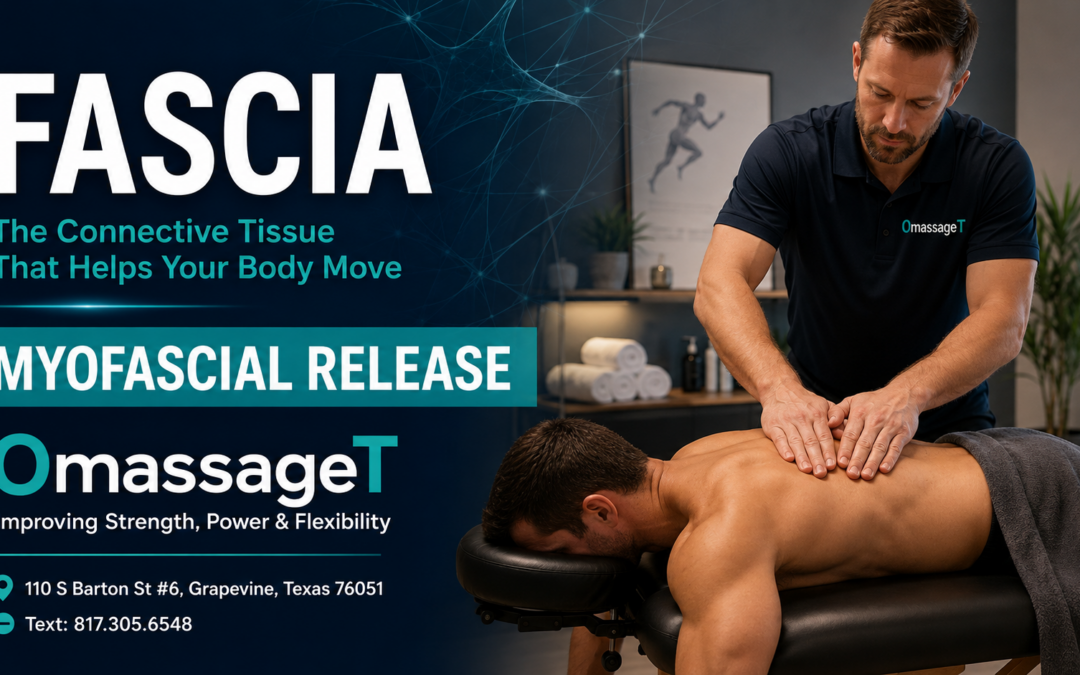
Myofascial release
-
Sustained, comfortable pressure
-
Gentle movement
-
Active or passive positioning
-
Work with the breath and diaphragm
-
Treatment around the pelvis and core
-
Focused work involving the hips, back, neck, or shoulders
-
Support for the head, chest, pelvis, and legs
-
Assessment and reassessment of movement
The effectiveness of the session should be judged by the client’s response—not by how painful the treatment felt.
After working with an area, we may reassess movement. A client might turn the head, raise an arm, rotate the torso, move a hip, stand, or walk.
We can then ask:
-
Does the movement feel easier?
-
Has the range of motion changed?
-
Is the body less guarded?
-
Does the client feel more balanced?
-
Has discomfort decreased?
-
Is breathing easier?
-
Does the next part of the treatment plan need to change?
A comfortable technique that creates a useful improvement is valuable treatment.
Positioning Helps the Body Relax
A person may have difficulty relaxing if the treatment position places pressure on a painful area.
That is why I use a body-support system on my Stronglite Premier portable massage table. Separate supports can be placed around the head, chest, pelvis, and legs according to the client’s body and needs.
Clients may be positioned:
-
Face down
-
Face up
-
Side lying
-
Seated
-
Partially elevated
-
In another carefully supported position
Someone with hip or lower-back discomfort may relax more easily in a side-lying position. A person recovering from orthopedic surgery may need additional support to protect a healing area. Someone with neck or shoulder pain may need the head and upper body positioned differently.
Clients wear athletic shorts and a tank top so they remain comfortable and covered while moving between positions.
Proper positioning reduces the need to tolerate unnecessary discomfort before treatment even begins.
Pain-Free Work Can Be Especially Important During Recovery
After an injury or orthopedic surgery, the body may already be sensitive and protective. Forceful treatment is not automatically appropriate.
The session may need to include lighter pressure, slower pacing, additional positioning support, and closer communication. Medical clearance may also be necessary depending on the surgery, stage of healing, medication use, or presence of swelling.
Massage therapy should not be used directly over an acute injury, blood clot, infection, open wound, or area that has not been medically cleared.
NCCIH advises that massage techniques may need to be modified when tissue is sensitive and notes that massage, although generally associated with few risks when performed appropriately, is not risk-free for everyone.
Comfortable care respects the healing process rather than trying to force it forward.
Clients Often Relax More Deeply
When treatment remains pain-free, many clients gradually become quieter and more relaxed. Their breathing may slow, their hands may open, and the body may settle more completely into the support system.
Some clients fall asleep during treatment. Others tell me afterward that they feel open, light, balanced, or as if they are floating.
Clients also frequently report sleeping more deeply after a session.
These experiences should be described as individual client responses, not guaranteed results. Every person responds differently, and massage is not a treatment for all causes of sleep difficulty.
However, when pain and guarding do not dominate the session, it is reasonable that many people find it easier to relax.
The Client Remains in Control
The client should always remain in control of the session.
You may ask for:
-
More or less pressure
-
A change in position
-
Another support cushion
-
A pause
-
An explanation of the technique
-
Work to stop in a particular area
-
The session to end
Consent is ongoing. Agreeing to treatment at the beginning does not mean that every technique must continue regardless of comfort.
A pain-free approach creates room for the client and therapist to work together.
A Better Measure of a Successful Session
The amount of pain experienced during treatment is not the best way to measure success.
A more useful question is: What changed?
Did the client move more easily? Did the shoulders relax? Did hip rotation improve? Did standing feel more balanced? Was breathing less restricted? Did the client feel safer and more comfortable?
Continued improvement may include:
-
Less muscle guarding
-
Easier movement
-
Better balance and stability
-
Greater comfort while sitting or standing
-
Improved confidence during activity
-
Reduced visible tension
-
Deeper relaxation
-
Better-reported sleep
-
Increased strength, power, or flexibility over time
These changes provide more meaningful information than how much discomfort a client was willing to endure.
Pain-Free Orthopedic Massage Therapy in Grapevine, Texas
Orthopedic massage therapy can be specific, focused, and effective without being painful.
When the client feels comfortable and supported, it becomes easier to relax. When the body is not fighting against treatment, we can listen, assess, treat, reassess, and continue building improvement.
At Orthopedic Massage Therapy, the goal is never to force the body. The goal is to work with it.
Orthopedic Massage Therapy
110 S Barton #6
Grapevine, Texas 76051
Text: 817-305-6548
Website: OmassageT.com
This article is for general educational purposes and is not a diagnosis or substitute for medical care.