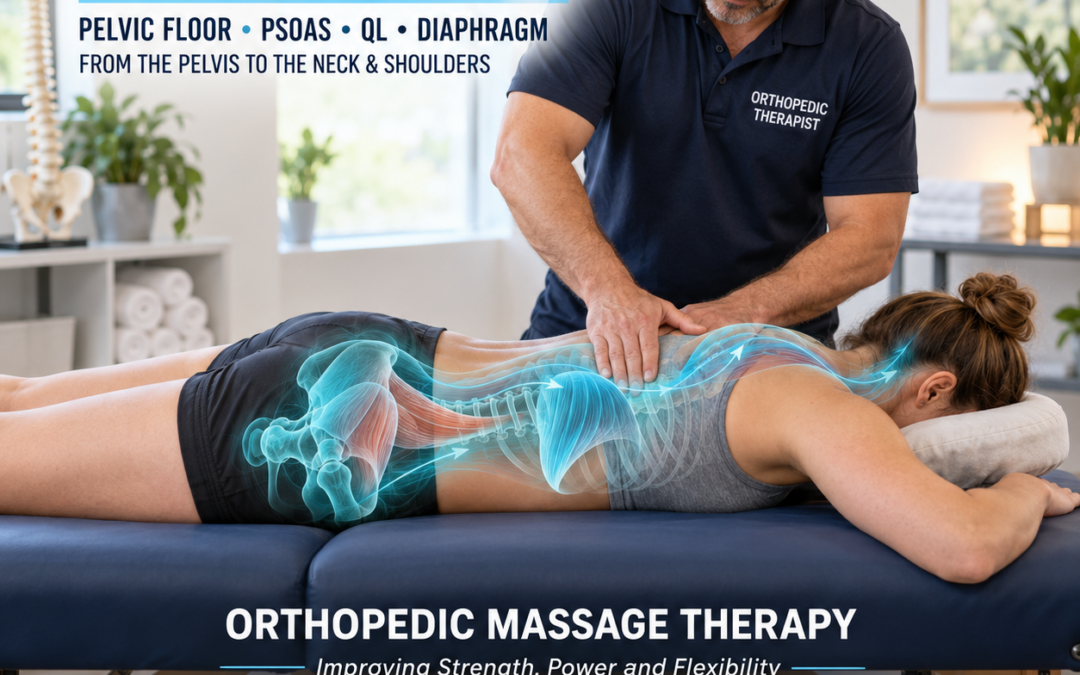
Why Relaxation Can Be an Important Part of Pain Relief
When someone is dealing with pain, the first thought is usually to find the source of the pain and make it stop.
That makes sense.
But there is another part of the experience that can sometimes be overlooked:
How relaxed is the body?
Pain, stress and muscle tension can influence the way a person moves and feels.
When someone is uncomfortable, they may unconsciously tighten certain muscles, change their posture or protect an area of the body.
Over time, that can become part of how they move.
At OmassageT.com, I believe relaxation can be an important part of a whole-body approach to comfortable movement and pain management.
Pain Can Cause the Body to Guard
When something hurts, the body often tries to protect it.
A person may tighten muscles around the uncomfortable area.
They may move differently.
They may avoid certain positions.
They may shift their weight to another side.
These responses can be completely natural.
The body is trying to protect itself.
The challenge is that protective tension can sometimes continue even after the original problem has improved.
What Is Muscle Guarding?
Muscle guarding is a protective response in which muscles become tense around an area of discomfort or injury.
For example, someone with back pain may tighten the muscles around their spine.
Someone with shoulder pain may hold the shoulder differently.
Someone with a leg injury may shift weight to the opposite side.
The body is attempting to create protection.
This does not necessarily mean the tension itself is the cause of the pain.
It is simply one part of the body’s response.
Stress Can Add to Physical Tension
Physical tension and emotional stress are not the same thing, but they can influence one another.
A stressful day may leave someone feeling tense.
They may notice their shoulders are elevated.
Their jaw may feel tight.
Their breathing may change.
Their body may simply feel like it cannot completely relax.
Adding physical discomfort to that situation can make the experience even more difficult.
Why Relaxation Matters
Relaxation gives the body an opportunity to reduce unnecessary tension.
It does not cure every cause of pain.
It does not replace medical treatment.
But it can change how a person experiences their body.
For some people, becoming more relaxed makes movement feel more comfortable.
For others, it simply creates a greater sense of ease.
The Nervous System and Pain
Pain is a complex experience involving the nervous system.
The nervous system receives information from the body and helps the brain interpret what is happening.
Pain can be influenced by many factors, including injury, inflammation, stress and previous experiences.
This is one reason two people can experience similar physical problems very differently.
Relaxation does not simply “turn pain off.”
Instead, it may help reduce some of the tension and stress surrounding the experience.
Breathing and Relaxation
Breathing is something we do automatically, but we can also become aware of how we breathe.
When people are stressed or uncomfortable, their breathing may change.
When they relax, their breathing may become slower and more comfortable.
The diaphragm plays an important role in breathing.
It also participates in the body’s core system.
This makes breathing an interesting part of the relationship between relaxation and movement.
The Diaphragm and Core Performance
The core is more than the abdominal muscles.
The diaphragm works together with other structures involved in trunk control.
The pelvis and surrounding muscles also contribute to stability.
When breathing, posture and movement work together, the body can coordinate movement more efficiently.
This is part of why I use the concept of:
Core Performance.
Relaxation Does Not Mean Weakness
Some people associate relaxation with weakness.
But relaxation and strength are not opposites.
A strong body needs to be able to create force.
It also needs to be able to release unnecessary tension.
Think about an athlete preparing to sprint.
They need to produce a tremendous amount of force during the sprint.
But they cannot remain at maximum tension all day.
Efficient movement requires both activation and relaxation.
Balance Between Tension and Relaxation
The goal is not to eliminate all muscle tension.
Muscles need tension to stabilize joints and produce movement.
The goal is appropriate tension.
Too little stability can be a problem.
Too much unnecessary tension can also affect movement.
The body constantly adjusts between the two.
Relaxation Can Change Body Awareness
When someone finally relaxes, they may become aware of sensations they had not noticed before.
They may notice that one shoulder feels higher.
They may notice that one hip feels different.
They may notice how they are breathing.
They may notice that they have been holding tension in their neck.
That awareness can be valuable.
A Whole-Body Perspective
Pain is often felt in one specific location.
But movement involves the entire body.
Someone may feel pain in the knee while their hip and ankle also participate in the movement.
Someone may feel shoulder pain while the neck and upper back are involved in how the arm moves.
Someone may feel lower-back discomfort while the pelvis, hips and core contribute to movement.
This does not mean those areas caused the pain.
It means the body works together.
Relaxation and Mobility
Mobility is the ability to move through available ranges of motion with control.
If someone is constantly tense, movement may feel restricted.
That does not mean relaxation alone will restore mobility.
Strength, joint health, injury history, rehabilitation and many other factors matter.
But reducing unnecessary tension may make movement feel more comfortable for some people.
Relaxation and Balance
Balance requires control.
The body constantly makes small adjustments to keep us upright.
If someone is excessively tense, their movement strategy may change.
If they are too relaxed to stabilize themselves, that can also create problems.
Good movement requires appropriate control.
Relaxation is therefore not about becoming completely loose.
It is about reducing unnecessary tension while maintaining the stability needed for movement.
Relaxation During Orthopedic Massage
This is one reason I emphasize a comfortable approach during orthopedic massage.
If a client is uncomfortable, they may tense against the pressure.
If they are comfortable, they may be able to relax more naturally.
My goal is not to see how much pressure someone can tolerate.
My goal is to work with the body while allowing the client to communicate throughout the session.
Pain-Free Orthopedic Massage
At OmassageT.com, my approach is pain-free orthopedic massage.
Pain is not the goal.
Comfort is important.
Communication is important.
Positioning is important.
The technique should be appropriate for the individual.
This approach can be particularly important for someone who is already experiencing pain or recovering from an injury.
Fascia and Relaxation
Fascia is connective tissue that surrounds and connects many structures throughout the body.
People sometimes describe areas as feeling tight or bound up.
When appropriate, I may use myofascial techniques to work with areas of soft-tissue restriction.
The work is performed comfortably.
The goal is not to force tissue into a particular position.
Why People Sometimes Feel More Open
After a massage session, some clients describe feeling more open.
Some say they feel lighter.
Others say they feel taller.
Some describe feeling like they are floating.
These are individual experiences.
Massage does not literally make someone taller or cause someone to float.
Changes in muscle tension, posture, comfort and body awareness can change how a person experiences their body.
Relaxation and Sleep
Some clients also report sleeping more deeply after massage.
A person who feels physically tense may have difficulty getting comfortable at night.
If massage helps someone feel more relaxed, they may notice a difference in how they settle down for sleep.
This is not a guarantee, and massage should not be considered a treatment for sleep disorders.
Persistent sleep problems should be discussed with an appropriate healthcare professional.
Relaxation During Injury Recovery
An injury can create uncertainty.
A person may worry about moving incorrectly.
They may protect the injured area.
They may become frustrated with limitations.
When massage is appropriate, a comfortable session may provide an opportunity to relax while supporting the broader recovery process.
The medical and rehabilitation team’s instructions should always come first.
Relaxation for Athletes
Athletes often focus heavily on training.
They work on strength.
They work on speed.
They work on endurance.
They work on technique.
Recovery is equally important.
Relaxation can be part of that recovery.
An athlete needs to know when to activate muscles and when to let them recover.
Improving Strength, Power and Flexibility
My philosophy at OmassageT.com is:
Improving Strength, Power and Flexibility.
These qualities work together with:
Mobility.
Balance.
Stability.
Recovery.
Relaxation.
The goal is not simply to make a person feel relaxed for an hour.
The larger goal is to support comfortable movement.
Pain Relief by Improving Core Performance
I also use the phrase:
Pain Relief by Improving/Repairing Core Performance.
For me, this means looking beyond the location of discomfort.
The feet, legs, hips, pelvis, core and upper body all participate in movement.
When the body moves as a coordinated system, the person may experience movement differently.
Massage is only one part of that process.
Relaxation Is Not a Cure for Pain
This distinction is important.
Relaxation can be valuable.
Massage can be valuable.
But neither should be presented as a cure for every type of pain.
Pain can come from many different causes.
Some require medical treatment.
Some require physical rehabilitation.
Some involve injury or disease.
The appropriate approach depends on the individual.
Knowing When to Seek Medical Care
If pain is severe, persistent, unexplained or getting worse, medical evaluation may be appropriate.
The same applies to symptoms such as:
-
Significant swelling
-
New weakness
-
Numbness
-
Loss of function
-
Fever
-
Sudden severe pain
-
Other concerning changes
Massage should never delay necessary medical care.
Listening to the Body
Relaxation also gives people an opportunity to pay attention.
Notice how you breathe.
Notice where you hold tension.
Notice whether one side feels different.
Notice how you stand.
Notice how you move.
This awareness can be useful during everyday activities as well as exercise and sports.
The Goal Is Comfortable Movement
Ultimately, relaxation is not the entire goal.
Movement is.
The ability to walk.
The ability to exercise.
The ability to work.
The ability to participate in sports.
The ability to enjoy everyday activities.
Relaxation can be one part of helping a person experience their body more comfortably.
Orthopedic Massage in Grapevine, Texas
At OmassageT.com, I provide pain-free orthopedic massage therapy in Grapevine, Texas.
My approach considers the relationship between relaxation, soft-tissue tension, mobility, balance, stability and whole-body movement.
I believe that working with the body does not require forcing it.
Sometimes, helping the body relax can be an important part of helping a person move more comfortably.
Orthopedic Massage Therapy in Grapevine, Texas
OmassageT.com
110 S Barton #6
Grapevine, Texas 76051
817-305-6548
Improving Strength, Power and Flexibility
Pain Relief by Improving/Repairing Core Performance