
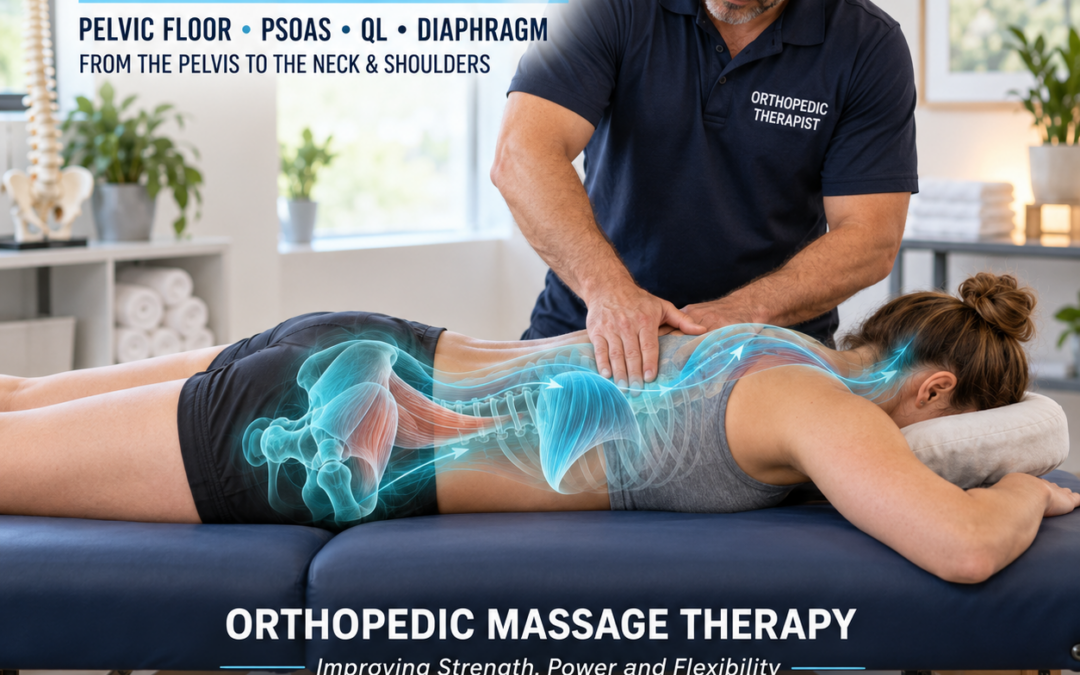
How Fascia Affects Your Movement, Flexibility, and Chronic Pain
OmassageT.com | Pain-Free Orthopedic Massage Therapy | Grapevine, Texas
Improving Strength, Power and Flexibility
through Pain-Free Orthopedic Massage Therapy!
Have you ever felt tightness in your body that stretching doesn’t seem to resolve? Perhaps your lower back feels restricted, your shoulders remain tense, or your hips don’t move as freely as they once did.
Sometimes, the discomfort isn’t related to one muscle alone.
Your muscles, joints, nerves, and connective tissues work together to create movement. One important part of this system is fascia, a network of connective tissue found throughout your body.
Fascia helps support your muscles, provides pathways for nerves and blood vessels, and allows tissues to move in relation to one another.
When fascia and surrounding tissues become sensitive or less mobile, you may experience stiffness, discomfort, or limitations in movement.
At OmassageT.com in Grapevine, Texas, myofascial release is one of the approaches used during pain-free orthopedic massage therapy to help clients move more comfortably.
What Is Fascia, and Why Is It Important?
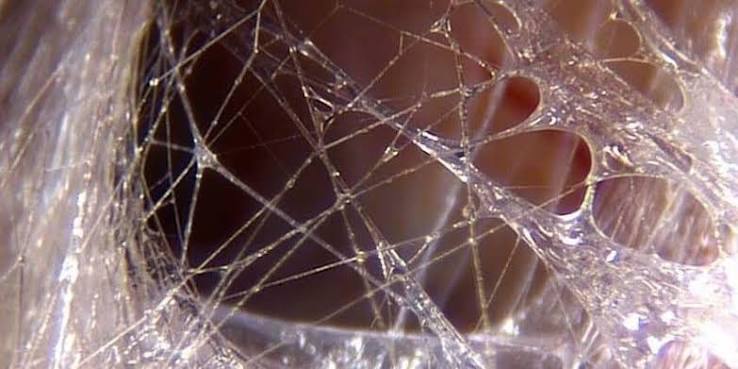
Fascia is a continuous, three-dimensional network of connective tissue that surrounds and connects many structures throughout the body.
It contains collagen, elastin, water, and other components that contribute to its mechanical properties.
Fascia helps perform several important functions:
-
Supporting and organizing muscles and other tissues
-
Allowing neighboring structures to glide during movement
-
Transmitting mechanical forces
-
Contributing to sensory awareness of movement and position
-
Providing structural support around nerves and blood vessels
Rather than viewing fascia as a separate structure, it can be helpful to understand how it interacts with the muscles and joints during everyday activities.
Walking, running, bending, lifting, and reaching all involve coordinated movement between muscles, connective tissues, and the nervous system.
1. What Happens When Fascia Becomes Restricted?
People often describe restricted tissues as feeling tight, stiff, bound, or difficult to stretch.
Following injury, surgery, inflammation, or prolonged inactivity, tissues may develop changes that affect comfort and mobility.
Scar tissue, for example, can alter how neighboring tissues glide.
Muscles may also become protective or sensitive following an injury, contributing to the sensation of tightness.
Although fascia is sometimes described as becoming hardened or stuck, these sensations don’t always mean that connective tissue has physically hardened or developed adhesions.
The exact reasons someone feels restricted can involve several factors, including tissue sensitivity, nervous system responses, muscle activity, and reduced movement.
This is why an individualized approach matters.
2. How Fascia May Contribute to Chronic Pain
Chronic pain is often more complex than a single injured muscle.
It may involve changes in tissue sensitivity, movement habits, sleep, stress, physical conditioning, and the way the nervous system processes pain.
Fascia contains sensory nerve endings and may contribute to some musculoskeletal pain conditions.
However, not all chronic pain originates in fascia.
For someone experiencing recurring discomfort, addressing sensitive soft tissues may be one part of improving overall comfort and function.
At OmassageT.com, orthopedic massage therapy considers how the body moves as a connected system.
For example, a person experiencing recurring upper back tension may also have limited hip mobility, reduced trunk rotation, or muscular discomfort elsewhere.
These relationships are worth evaluating, even though they don’t necessarily establish the original cause of pain.
3. What Is Myofascial Release?
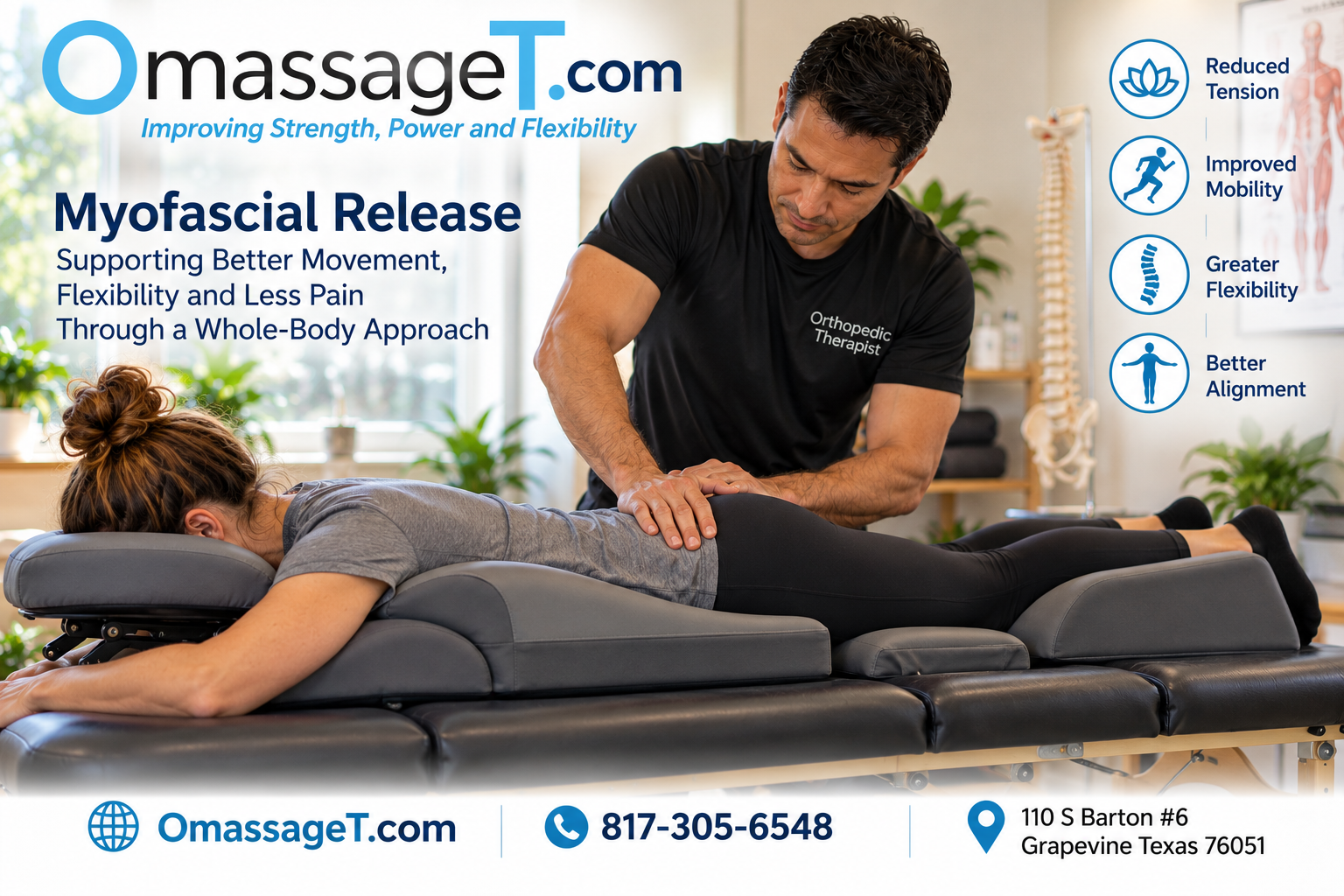
Myofascial release is a manual therapy approach that uses controlled pressure, sustained contact, or gentle stretching techniques to address soft-tissue discomfort and mobility restrictions.
The word myofascial refers to muscles and their associated connective tissues.
During a session, a therapist may use their hands to work with areas that feel sensitive or restricted.
The treatment may involve gentle pressure, positioning, and movements intended to encourage comfortable mobility.
Some studies suggest myofascial release may provide short-term improvements in pain and range of motion for certain musculoskeletal conditions.
However, research findings vary, and there is limited evidence that manual pressure physically breaks apart deep fascial adhesions.
The benefits may involve a combination of changes in pain sensitivity, muscle activity, relaxation, and movement tolerance.
4. Why Pain-Free Myofascial Release Matters
One misconception about massage therapy is that treatment must be painful to be effective.
At OmassageT.com, the philosophy is different.
Effective orthopedic massage does not have to hurt.
Excessive pressure can sometimes cause clients to tense their muscles or become uncomfortable.
Using techniques within a client’s comfort level can make it easier to relax and participate in treatment.
Pain-free techniques may be especially valuable when working with individuals who have sensitive tissues, limited mobility, or discomfort following an injury.
The objective is not to force the body into movement.
It is to work with the body’s current capabilities while supporting greater comfort and function.
5. The Connection Between Fascia, the Pelvis, and Lower Back Pain
Your pelvis, hips, and lumbar spine are connected through multiple muscles and layers of connective tissue.
The thoracolumbar fascia, for example, is a substantial connective tissue structure in the lower back.
It interacts with muscles involved in trunk movement and stability, including the latissimus dorsi, abdominal muscles, and spinal extensors.
The gluteal muscles and surrounding tissues also contribute to hip movement and control.
When someone experiences lower back discomfort, it can be useful to evaluate the mobility and sensitivity of nearby soft tissues.
For example, restricted hip movement may change how a person bends, squats, or rotates.
Addressing soft-tissue discomfort around the hips and lower back may help improve movement tolerance.
However, lasting improvements may also require strengthening, movement retraining, and other appropriate care.
6. How Previous Injuries and Surgery Can Affect Fascia
Injury and surgery can create changes in connective tissue as part of the normal healing process.
Following surgery, scar formation helps repair damaged tissues.
Sometimes, scar-related sensitivity or reduced tissue mobility can contribute to discomfort during movement.
People recovering from orthopedic procedures may also experience muscle guarding, swelling, and reduced range of motion.
When appropriate and medically cleared, gentle massage or soft-tissue techniques may complement rehabilitation.
At OmassageT.com, orthopedic massage sessions can be adapted to the individual’s stage of recovery and comfort level.
It is important to avoid direct pressure over unhealed surgical sites and to follow the surgeon’s or rehabilitation professional’s instructions.
Massage is not a substitute for postoperative medical care or physical therapy.
7. Why Athletes Should Understand Fascia
Athletes repeatedly place mechanical demands on their muscles, tendons, joints, and connective tissues.
Running, jumping, sprinting, throwing, and lifting all require coordinated movement.
For competitive athletes, runners, football players, and active individuals, maintaining comfortable mobility can be important for training and recovery.
Following intense activity, athletes may experience temporary stiffness or muscle soreness.
Massage and myofascial techniques may help reduce perceived soreness and support relaxation.
Some people also experience temporary improvements in flexibility or range of motion.
However, massage alone has not been established as a reliable way to prevent sports injuries or produce lasting improvements in athletic performance.
A comprehensive approach includes appropriate training, strength development, recovery, and medical evaluation when necessary.
At OmassageT.com, the goal is to support comfortable movement as part of that broader approach.
8. Why Stretching Alone May Not Resolve Tightness
Have you ever stretched the same muscle repeatedly, only to find that it feels tight again the next day?
There are several possible explanations.
The sensation of tightness may reflect muscle fatigue, sensitivity, protective muscle activity, or limited tolerance for certain movements.
Sometimes, a muscle may feel tight because it is working harder to compensate for reduced strength or control elsewhere.
Stretching can be useful, but it isn’t always the complete solution.
For some people, a combination of soft-tissue work, progressive strengthening, and movement practice may provide greater benefits than stretching alone.
Understanding why an area feels restricted can help guide a more appropriate approach.
9. Fascia, Balance, Stability, and Core Performance
Your core is not simply your abdominal muscles.
It includes coordinated activity among the diaphragm, abdominal wall, spinal muscles, pelvic floor, and muscles surrounding the hips.
Connective tissues help support and transmit forces between these structures.
Balance and stability depend on coordinated contributions from the nervous system, muscles, joints, and sensory information.
If pain or restricted movement makes certain activities uncomfortable, addressing soft-tissue sensitivity may help someone participate more comfortably in exercise or rehabilitation.
This is consistent with the philosophy behind OmassageT.com:
Improving Strength, Power and Flexibility.
The focus is on helping people work toward better movement and physical function rather than concentrating exclusively on where they feel discomfort.
10. What to Expect During an Orthopedic Massage Session
Every individual has different needs.
Someone recovering from a sports injury may require a different approach from someone managing chronic muscle tension.
During an orthopedic massage session, areas of discomfort, relevant injury history, and movement limitations can help guide treatment.
Techniques may include gentle myofascial release, soft-tissue massage, comfortable positioning, and guided movement.
Clients are encouraged to communicate about pressure and comfort throughout the session.
The objective is to create an individualized experience that supports relaxation, comfort, and movement.
Orthopedic Massage and Myofascial Release in Grapevine, Texas
Fascia is an important part of your body’s movement system.
Understanding how connective tissues interact with muscles and joints can help explain why discomfort may involve more than one area.
At OmassageT.com, orthopedic massage therapy emphasizes a pain-free, whole-body approach.
Whether you’re dealing with recurring muscle tension, limited flexibility, or discomfort associated with physical activity, myofascial release may be one component of a broader approach to improving comfort and mobility.
Better movement begins with understanding how your body works together.
Schedule Your Orthopedic Massage Therapy Session
OmassageT.com — Orthopedic Massage Therapy
110 S Barton #6
Grapevine, Texas 76051
Call or text: 817-305-6548
OmassageT.com | Pain-Free Orthopedic Massage Therapy | Grapevine, Texas
Improving Strength, Power and Flexibility
through Pain-Free Orthopedic Massage Therapy!
