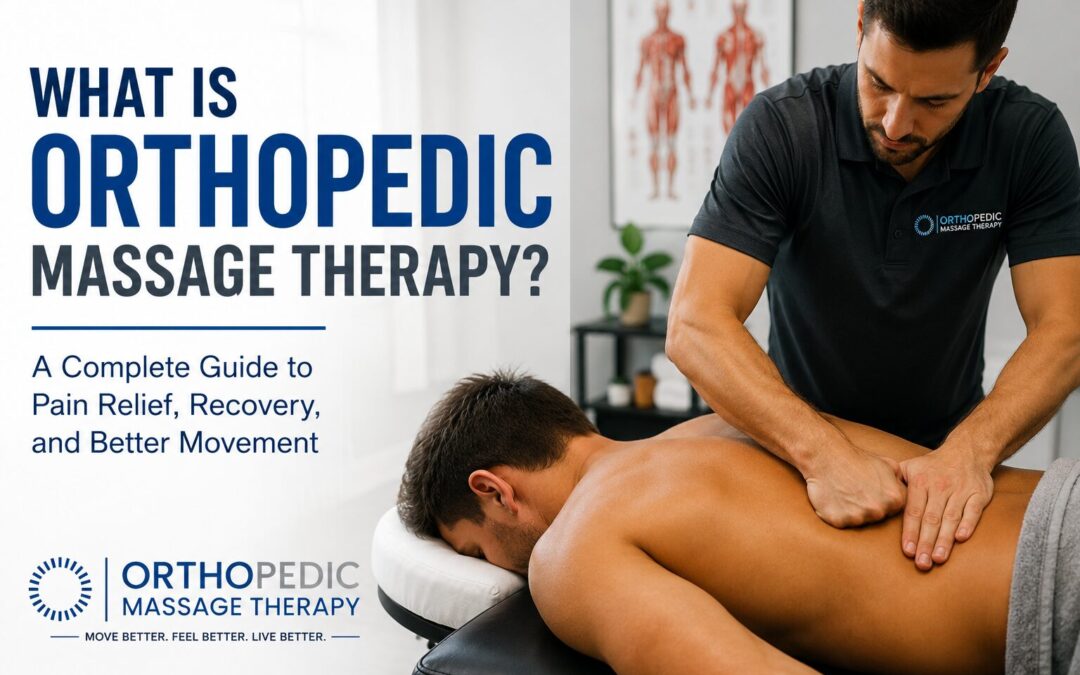
If you’ve been dealing with chronic pain, recovering from an injury, or struggling with limited mobility, you’ve probably come across the term orthopedic massage therapy. Unlike a traditional relaxation massage, orthopedic massage is a specialized form of therapeutic bodywork designed to identify and treat the underlying causes of pain and movement restrictions.
Whether you’re an athlete recovering from intense training, an office worker with persistent neck pain, or someone living with chronic back discomfort, orthopedic massage can play an important role in your recovery and long-term wellness.
At OMassageT, we focus on helping clients move better, feel stronger, and live with less pain through individualized orthopedic massage treatments tailored to each person’s needs.
What Is Orthopedic Massage Therapy?
Orthopedic massage therapy is a clinical approach to massage that focuses on the muscles, tendons, ligaments, fascia, and other soft tissues that affect how your body moves and functions.
Rather than simply working tight muscles, an orthopedic massage therapist evaluates how your body moves, identifies dysfunctional tissues, and applies targeted techniques to improve mobility, decrease pain, and support the healing process.
Orthopedic massage combines knowledge from anatomy, biomechanics, and rehabilitation with hands-on techniques that are designed to restore proper movement instead of simply masking symptoms.
How Is Orthopedic Massage Different from Traditional Massage?
Many people assume all massages are the same, but the goals are very different. A traditional massage typically focuses on relaxation, stress reduction, and improving circulation throughout the body. Orthopedic massage is much more specific. Every treatment is designed around your individual condition, injury history, posture, and movement patterns. Instead of giving every client the same routine, your therapist works directly on the muscles and connective tissues contributing to your pain or dysfunction. This personalized approach often produces longer-lasting improvements because it addresses the root cause rather than temporary muscle tension alone.
Conditions Orthopedic Massage Can Help Treat
Orthopedic massage is commonly used to help people experiencing:
- Lower back pain
- Neck pain
- Shoulder pain
- Hip pain
- Knee pain
- Sciatica
- Rotator cuff injuries
- Tennis elbow
- Plantar fasciitis
- IT band syndrome
- Muscle strains
- Sports injuries
- Poor posture
- Limited flexibility
- Repetitive stress injuries
It can also benefit individuals recovering from surgery once cleared by their healthcare provider.
How Orthopedic Massage Therapy Works
Every movement your body makes depends on healthy muscles and connective tissue working together.
When muscles become tight, injured, or overused, they can create abnormal movement patterns that place additional stress on joints and surrounding tissues.
Orthopedic massage works by:
- Reducing muscle tension
- Improving circulation
- Increasing tissue mobility
- Breaking up adhesions and scar tissue
- Improving flexibility
- Restoring proper movement patterns
- Supporting the body’s natural healing process
Instead of simply treating the area where you feel pain, your therapist looks at the entire kinetic chain. For example, lower back pain may actually be influenced by tight hips, weak glutes, or restricted hamstrings.
Common Techniques Used
Orthopedic massage uses a variety of evidence-informed manual therapy techniques depending on your needs.
These may include:
Myofascial Release
Gentle sustained pressure helps reduce restrictions in the fascia, the connective tissue that surrounds muscles.
Trigger Point Therapy
Targeted pressure is applied to sensitive muscle knots that may refer pain to other areas of the body.
Deep Tissue Techniques
Slow, controlled pressure works through deeper muscle layers to reduce chronic tension.
Stretching
Passive and assisted stretching helps restore range of motion and improve flexibility.
Muscle Energy Techniques
These involve gentle muscle contractions followed by stretching to improve joint mobility.
Cross-Fiber Friction
Specific friction techniques can help remodel scar tissue and improve tissue healing.
Not every treatment includes every technique. Your therapist selects the methods most appropriate for your condition and comfort level.
Who Can Benefit from Orthopedic Massage Therapy?
Orthopedic massage is appropriate for a wide range of people, including:
Office Workers
Hours spent sitting at a desk often lead to rounded shoulders, neck tension, headaches, and lower back pain.
Athletes
Runners, golfers, tennis players, cyclists, CrossFit participants, and recreational athletes often use orthopedic massage to improve recovery, reduce injury risk, and enhance performance.
Active Adults
Gardening, home improvement projects, hiking, and other activities can create repetitive strain that responds well to targeted treatment.
Older Adults
Maintaining mobility becomes increasingly important with age. Orthopedic massage can help reduce stiffness and improve everyday movement.
Does Orthopedic Massage Therapy Hurt?
One of the most common questions people ask is whether orthopedic massage is painful.
The answer is that treatment should be effective—not unbearable.
Some techniques involve moderate pressure or temporary discomfort while working through tight or restricted tissue. However, communication is essential throughout the session. Your therapist should adjust pressure based on your comfort level and treatment goals.
Many clients describe the sensation as “good discomfort” rather than pain.
What to Expect During Your Appointment
Your first orthopedic massage usually begins with a discussion about your health history, current symptoms, lifestyle, and goals.
Your therapist may evaluate:
- Posture
- Range of motion
- Muscle tension
- Movement patterns
- Areas of tenderness
- Previous injuries
Based on this assessment, an individualized treatment plan is created.
Because no two people experience pain the same way, every session is customized rather than following a one-size-fits-all routine.
How Many Sessions Will You Need?
The number of sessions depends on several factors, including:
- How long you’ve had the problem
- The severity of your symptoms
- Your activity level
- Previous injuries
- Overall health
- Your treatment goals
Some clients experience noticeable improvement after a single visit, while chronic conditions often benefit from a series of treatments combined with home exercises and healthy movement habits.
Consistency generally produces the best long-term results.
Benefits of Orthopedic Massage Therapy
Clients often report improvements such as:
- Reduced pain
- Increased flexibility
- Better posture
- Improved mobility
- Faster recovery after activity
- Better athletic performance
- Reduced muscle tension
- Improved circulation
- Greater body awareness
- Easier everyday movement
Because orthopedic massage addresses functional movement, many clients notice improvements that extend beyond the treatment room.
Is Orthopedic Massage Therapy Right for You?
If pain is limiting your ability to work, exercise, sleep, or enjoy everyday life, orthopedic massage may be an excellent option.
It’s especially beneficial if you have:
- Chronic muscle tightness
- Repetitive strain injuries
- Sports-related pain
- Limited range of motion
- Persistent neck or back pain
- Recovery after physical activity
- Postural dysfunction
An experienced orthopedic massage therapist can help identify contributing factors and develop a treatment plan that supports your recovery goals.
Frequently Asked Questions
Is orthopedic massage the same as deep tissue massage?
No. Deep tissue massage is one technique that may be used during orthopedic massage. Orthopedic massage is a broader clinical approach that focuses on assessment, treatment planning, and restoring movement.
Can orthopedic massage therapy help chronic pain?
Yes. Many people with chronic muscle and soft tissue pain experience significant improvement when the underlying causes of dysfunction are addressed.
How long is an orthopedic massage therapy session?
Most appointments range from 60 to 90 minutes, depending on your treatment goals and the areas being addressed.
Should I exercise after my orthopedic massage therapy?
Light activity, stretching, and staying hydrated are usually encouraged. Your therapist can recommend the best plan based on your treatment.
Take the First Step Toward Better Movement
Living with pain isn’t something you have to accept. Whether you’re recovering from an injury, training for your next event, or simply want to move more comfortably, orthopedic massage therapy can help restore function and improve your quality of life.
At OmassageT.com, every session is tailored to your unique needs—not a generic routine. Our goal is to help you reduce pain, improve mobility, and get back to doing the activities you enjoy with greater confidence and comfort.
Ready to feel the difference? Contact OmassageT.com today to schedule your orthopedic massage therapy consultation and begin your path toward lasting relief.
Health and Wellness is priceless, include orthopedic massage therapy in your wellness!
At Orthopedic Massage Therapy, we are here to guide and Empower You for Optimal Results in Performance!
Orthopedic Massage Therapy
Improving Strength, Power and Flexibility
OmassageT.com
Schedule Massage by text 817-305-6548
110 S Barton St. #6
Grapevine, Texas 76051